The ear, is the body part that opens the world to us through sound. It enables us to hear, but often we take it for granted and misuse it. More than just hearing, it also supports the entire body with balancing. Did you know that your hearing can be affected by many things in your surroundings?
Hearing disabilities and loss are some of the hardest physio-social challenges being faced globally today. The World Health Organization (WHO) predicts that by the year 2050, over 2.5 billion people around the world may suffer from a certain degree of hearing loss and at least 700 million will require hearing rehabilitation.
WHO lists constant loud noise, collected ear wax, untreated ear infections, nutritional deficiencies, trauma to the head or ear and lack of oxygen at birth as the leading causes of hearing loss among children and adults.
We live in a fast-moving world that comes with a lot of noise. From moving machines/vehicles, to noisy discotheques or churches in our neighbourhoods, to factory noises, loud music from our cell phones through earphones, screams and all other sources of noise, our ears require extra care, now more than ever to keep our hearing intact.
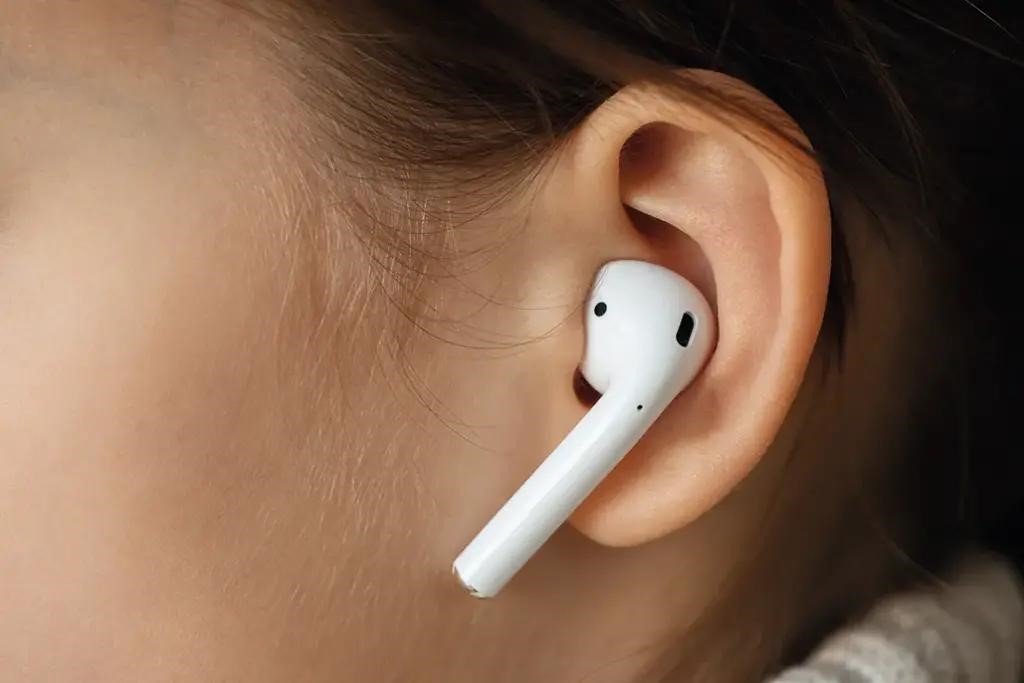
Unfortunately, one of the biggest threats to our hearing is something accessible to almost everyone, the phone. With the increase in the noise around us, people are drawn more and more to block disruptive sound or noise by replacing it with more organized noise on their smartphones though earphones/ear pods. Yes, we need that temporary relief from noise from the rest of the world but in the long run, our ears get affected especially if the output is too loud.
A onetime loud bang or prolonged loud noise damages the cochlear. The cochlear is a fluid-filled, spiral-shaped cavity found in the inner ear that plays a vital role in the sense of hearing and participates in the process of auditory transduction. Transduction simply defined, is the natural process through which sound is transformed into messages that the brain can interpret as individual sound frequencies. The setup of the cochlea directs different frequencies to activate specific areas along the spinal set up, which results in an easier map that enables humans to perceive various frequencies of sound. Damaging the cochlear therefore means damaging one’s hearing, and ultimately destabilizing the whole-body balance.
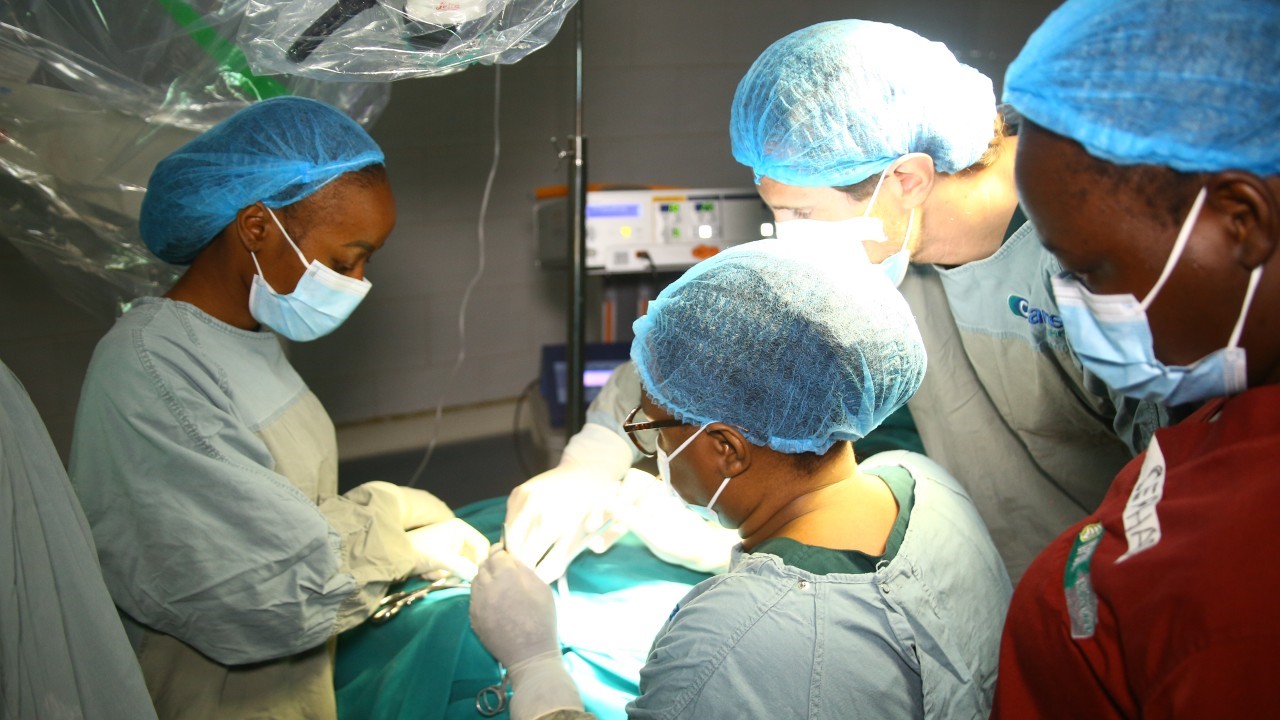
Whereas it might take something small for one’s hearing to disappear partially or totally, restoration is neither easy, nor cheap. Hearing can only be restored with a procedure called the “cochlear implant Surgery” during which an electronic device is planted in your ear to perform the functions of a cochlear. Such surgeries are currently carried at a few hospitals in Kampala, C-Care IHK inclusive. These surgeries however do not come cheap and could cost between $13,000 and $16,000.
“Prevention is Better Than Cure” is a cliché we usually loosely use, but rarely mean; but it could save your hearing. Give those ear phones a break as much as you can, and if you must use them, keep the output at minimum volume. It might be hard to avoid louse places with all the construction, music, and factory works going on around us, but you could invest in noise blocking ear pads to limit the volume of what your ears take in.
Don’t just stop at preventing, take a proactive stance and have your ears checked by a professional ENT practitioner whenever you visit the doctor for your regular check-ups. Let’s avoid the discomfort and issues like limitations towards access to higher education and employment, communication and speech; social isolation, loneliness and stigma related issues that come with hearing impairment.